Why Traceability Is Now Non-Negotiable in Automotive Parts Manufacturing
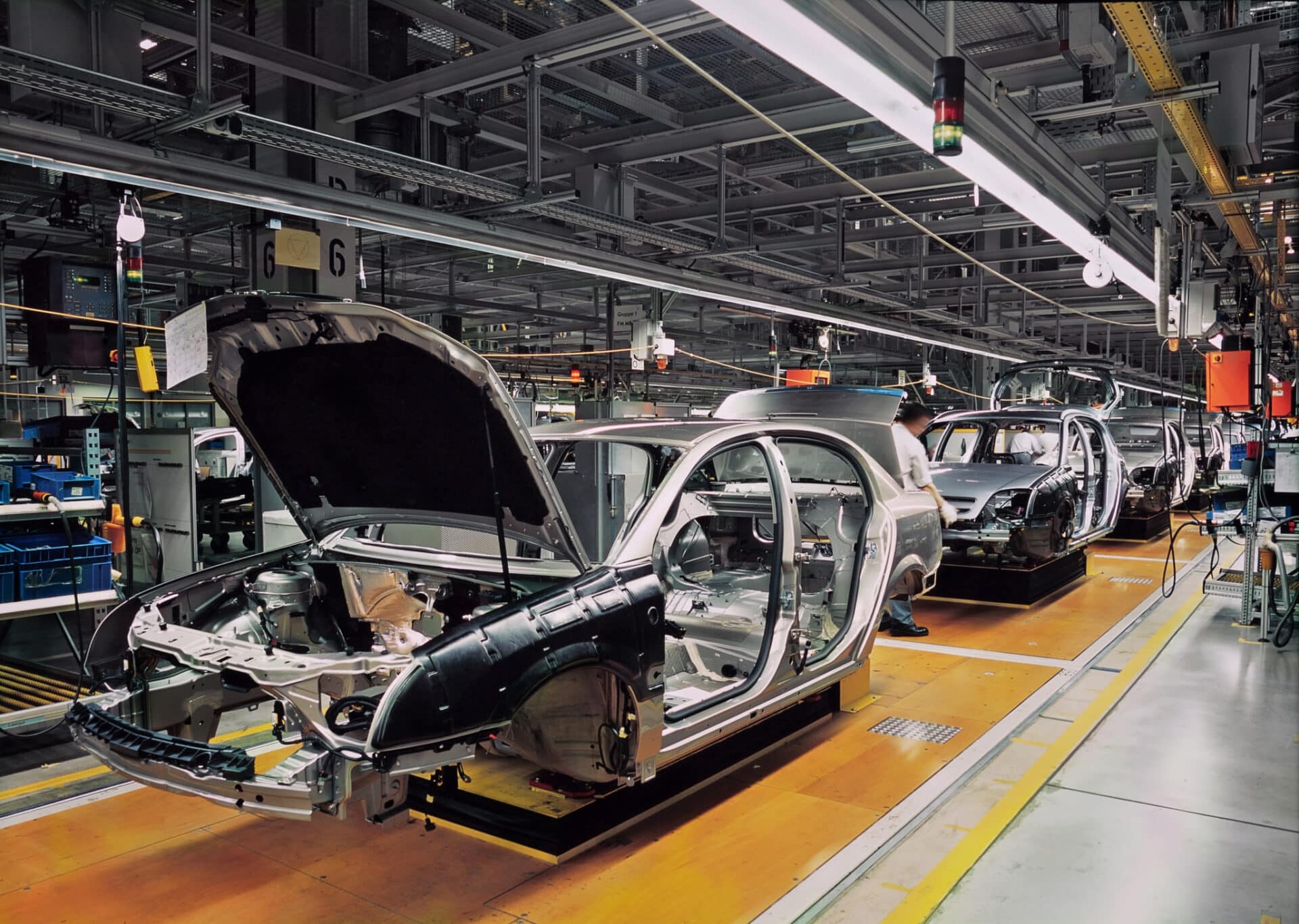
In today’s automotive industry, traceability isn’t just a competitive advantage—it’s a requirement. With recalls on the rise and regulations tightening, manufacturers and suppliers are under more pressure than ever to prove exactly where every part came from, how it was produced, and whether it meets quality standards. One missing data point can slow production, trigger […]
Parsable: The Past, Present, and Future of the Connected Worker
Recently, it’s come to our attention that some players in the Connected Worker space have been making inaccurate claims about our product and customer base. We’re flattered by the attention—but accuracy matters, so we want to set the record straight. Parsable is the past, the present, and the future of the connected worker. Delivering value […]
Traceability: A Strategic Advantage for Food and Seafood Businesses
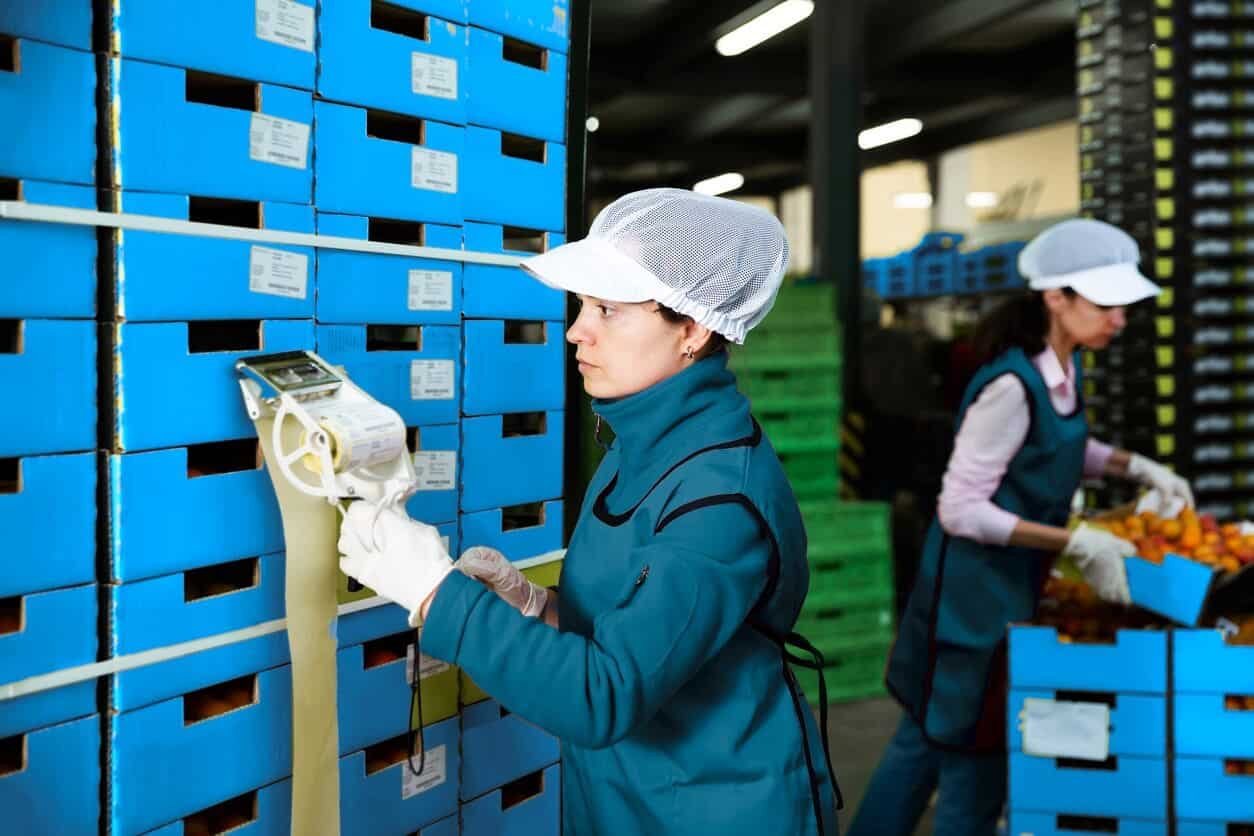
Traceability is more than just a regulatory requirement—it’s a powerful tool that can drive efficiency, build customer trust, and open doors to new business opportunities. At its core, traceability has two key components: internal traceability and supply chain traceability. Internal traceability tracks raw materials from receipt, through manufacturing processes, into finished products with assigned lot […]
Cloud, On-Premise, or Hybrid? Finding the Right Software Fit for Food and Seafood Businesses
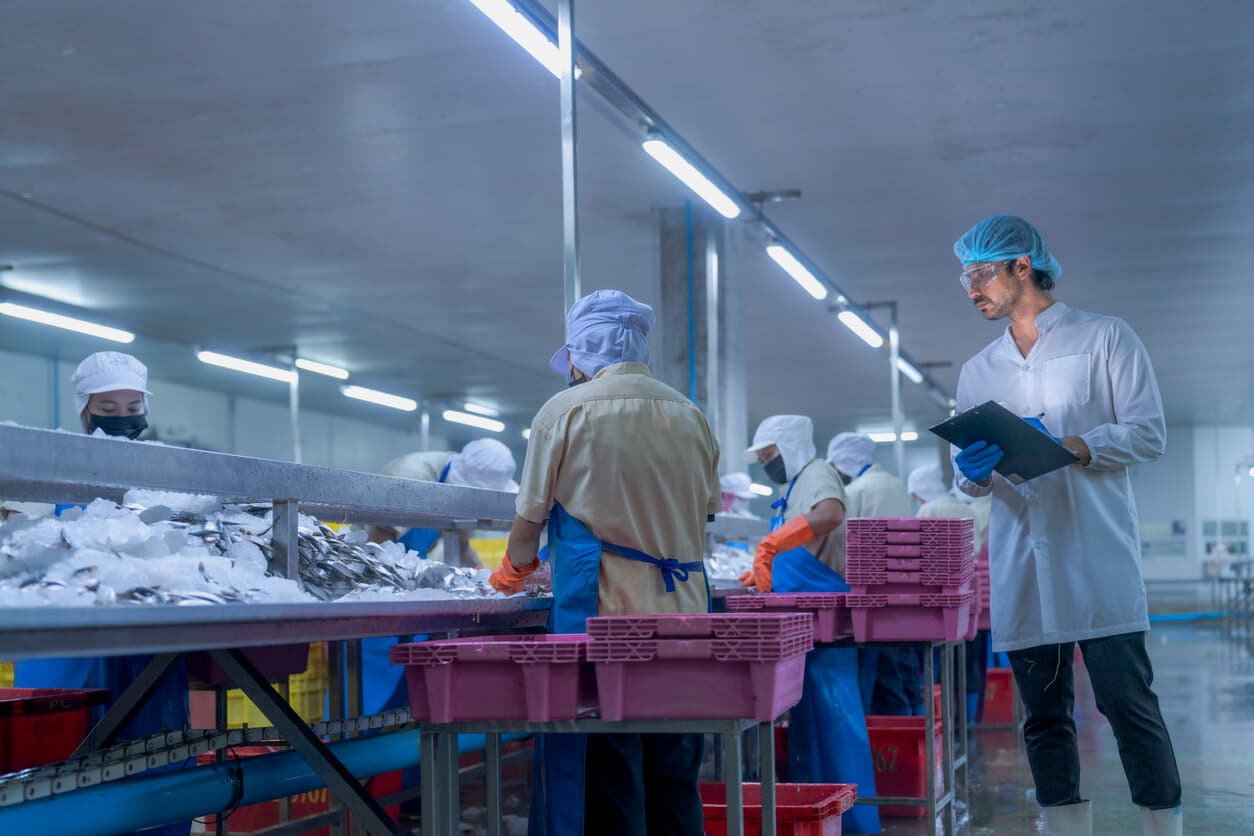
For food and seafood businesses managing complex operations—from production and inventory to traceability and distribution—your software setup matters as much as the tools themselves. Whether you’re tracking lots, meeting safety standards, or managing multiple plants, choosing the right deployment model can unlock better performance, stronger compliance, and scalable growth. Here’s how to think through the […]
When Allergens Slip Through the Net: Preventing Costly Recalls with Smarter Systems

Allergen-related recalls are one of the most preventable—and expensive—risks facing seafood processors today. Across North America, undeclared allergens account for roughly one-third of all food recalls, according to the U.S. FDA and Health Canada. And in seafood, that number can climb even higher due to multi-ingredient products like breaded, flavored, or coated fish and shellfish. […]
How Repacking Services Impact Traceability — and What Manufacturers Can Do About It
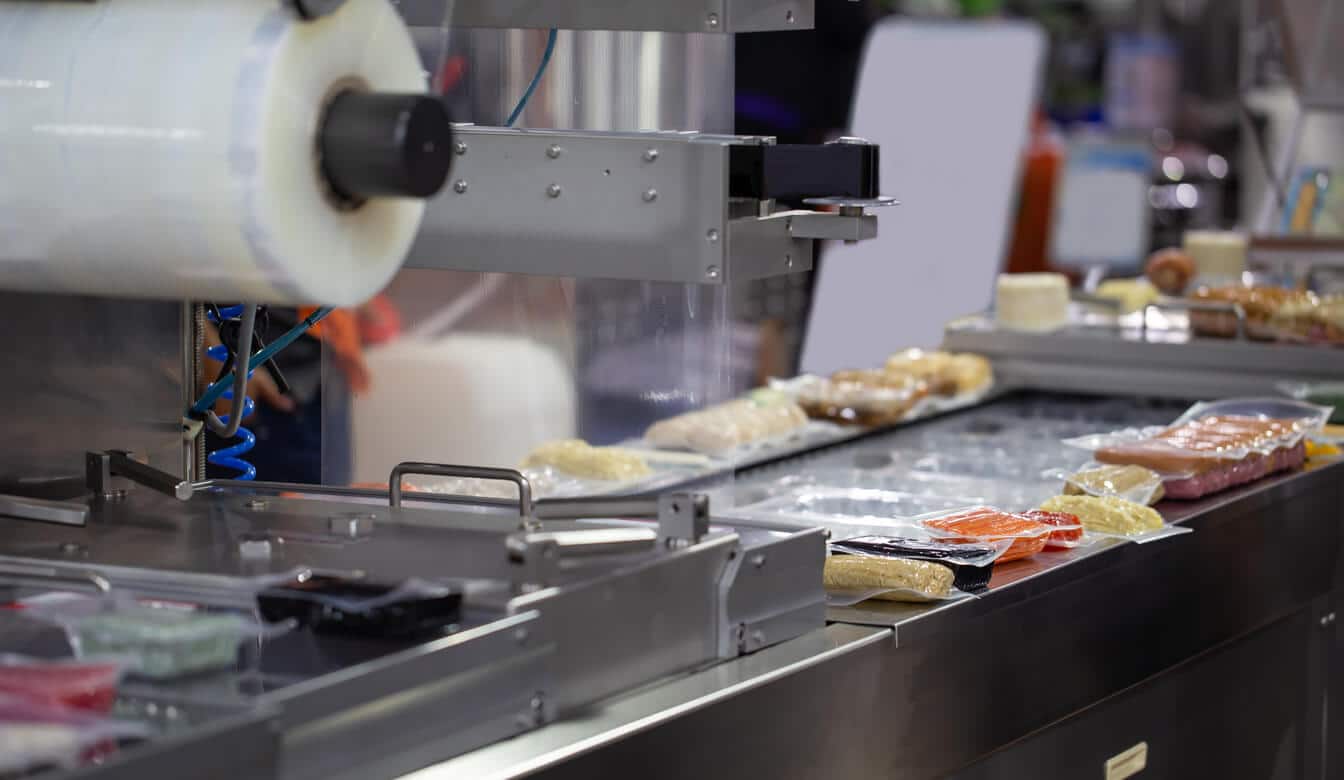
Retailers often request mixed-product displays to drive in-store sales — eye-catching pallets or half-skids stocked with assorted flavors and packaging. To fulfill these requests, food and beverage manufacturers frequently rely on repacking services that can assemble and ship these customized displays at scale. While this approach saves time and labor, it introduces a hidden risk: […]
Browser-Based Tools: The Next Step in Smarter Food and Seafood Operations
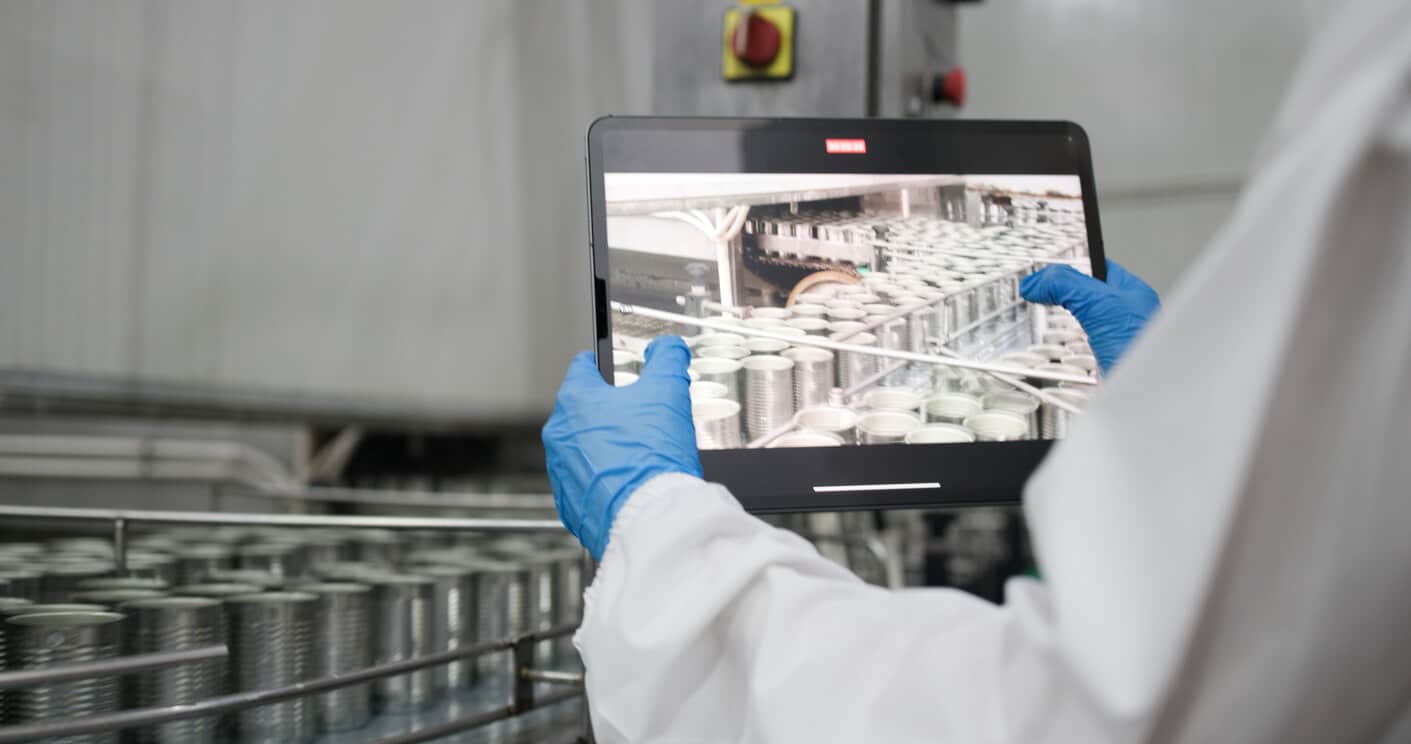
In the food, meat, and seafood industries, every second counts. From catch or slaughter to cold storage and distribution, producers need tools that make real-time decisions easier and traceability simpler. That’s where browser-based software for food and seafood businesses is changing the game. Instead of relying on clunky, on-premise setups or paper-based systems, more processors […]
Blockchain and Food Traceability: What Needs to Happen Before It Can Deliver
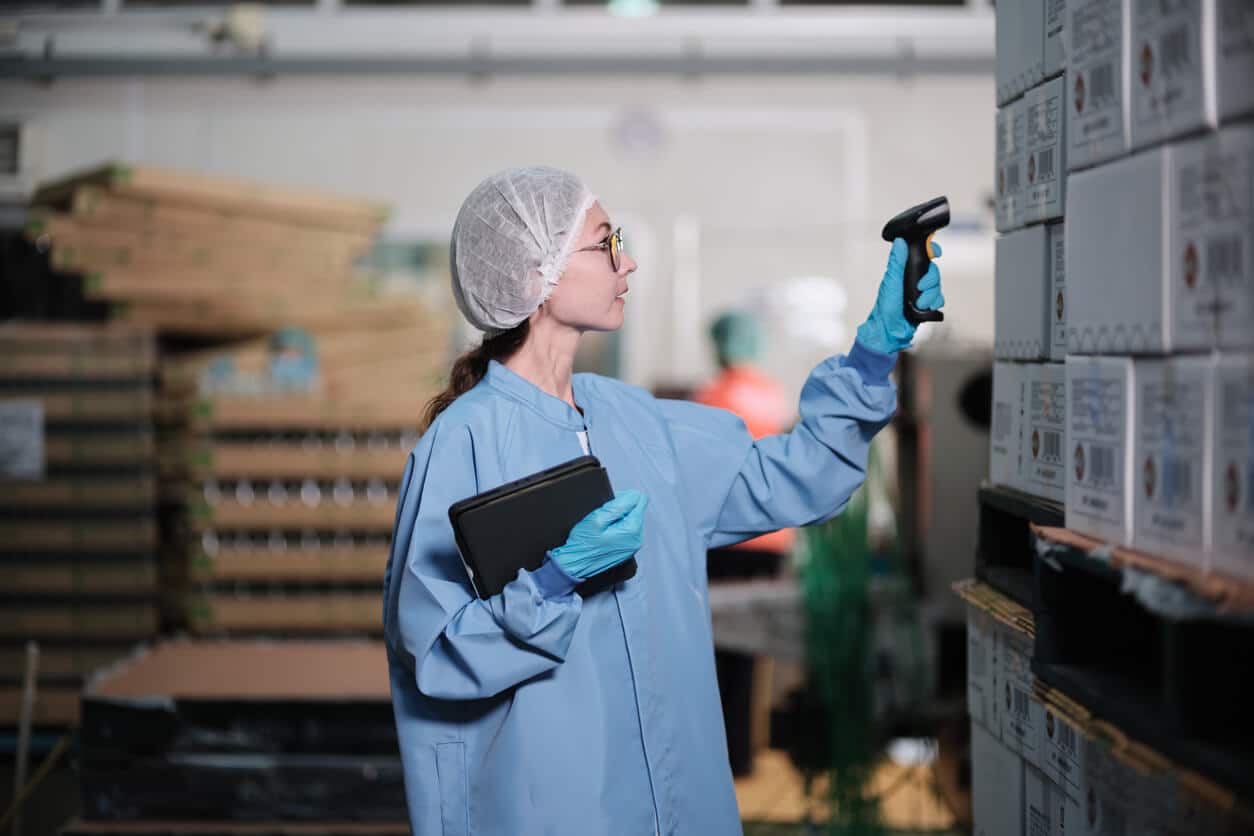
“Blockchain” has become a buzzword in nearly every industry, including food manufacturing. The technology — originally built to record cryptocurrency transactions — offers a shared, secure digital ledger where multiple partners can record, verify, and access supply chain data. In theory, it’s an ideal fit for food traceability: transparent, fast, and verifiable. But in practice, […]
6 Things to Include in an RFP for Food, Meat, and Beverage Manufacturing Software

When food and beverage processors begin exploring new software, the first step often involves creating a Request for Proposal (RFP). While many start with generic templates, those documents rarely reflect the complexities of food production—especially when it comes to traceability, yield management, and compliance. To find the right technology partner, your RFP should help vendors […]
Where Distribution Meets Manufacturing: How Food Businesses Are Redefining the Line
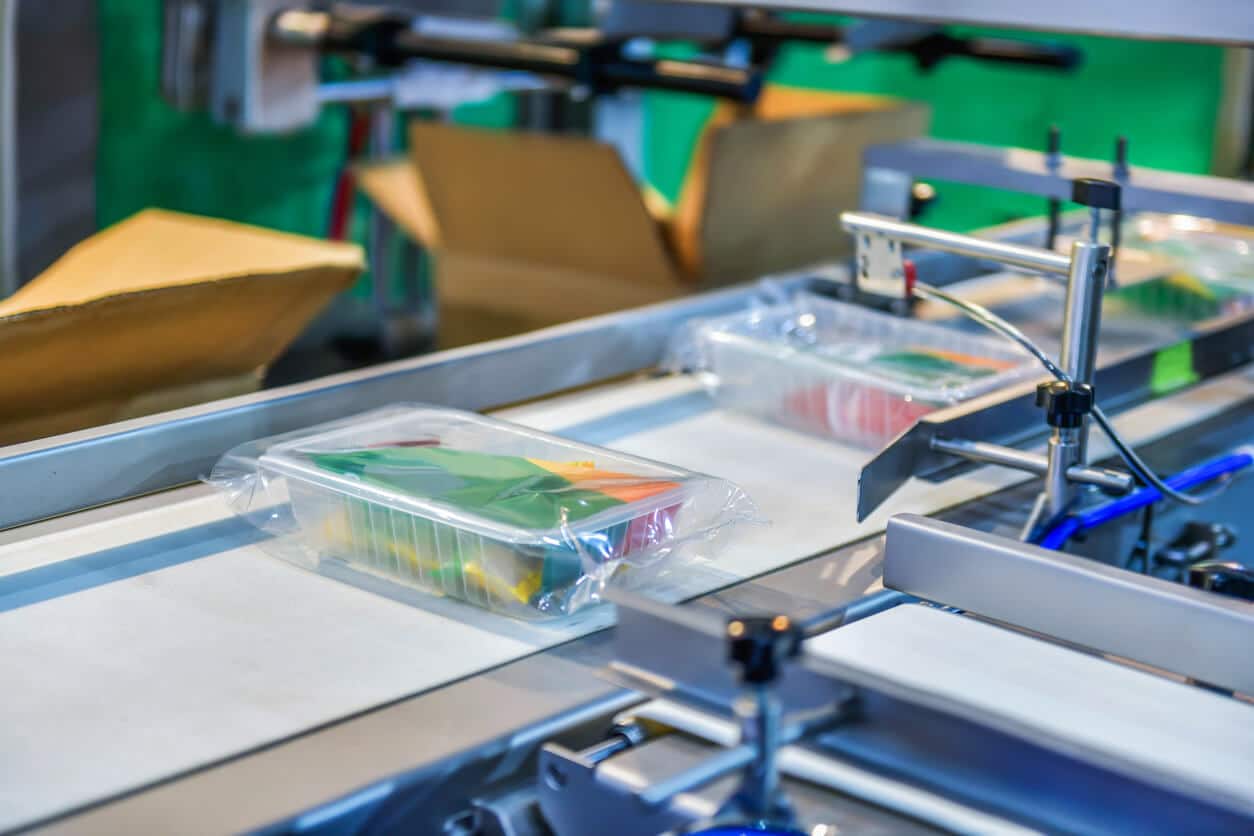
The food industry no longer fits into neat categories. Manufacturers distribute, distributors relabel, and co-packers produce on behalf of multiple brands. Many businesses that once viewed themselves purely as distributors are now performing functions traditionally associated with manufacturing—whether they realize it or not. From relabeling and kitting to managing co-packers and inventory, today’s food and […]