
What are the Hidden Benefits of Implementing ERP? – 2019
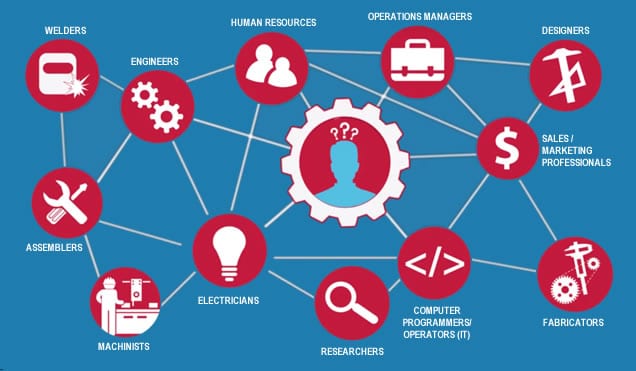
A smart company’s leadership will always probe their operational departments on “How do we do this?” and “Who does this?” — followed up by the hard question “Why do we do this?”
Home
/
Solutions
Articles and news on building an AI-assisted, connected manufacturing and print operation.

CAI Software, LLC ("CAI"), a global provider of industry-specific software solutions for manufacturing organizations, today announced the acquisition of LLumin, a purpose-built industrial CMMS (Computerized Maintenance Management System) company serving complex mid-market and enterprise manufacturers.
Read the Article
PlanetTogether's APS capabilities help manufacturers reduce replanning time, optimize multi-plant capacity, and run scenarios before committing changes on the shop floor.
Read the Article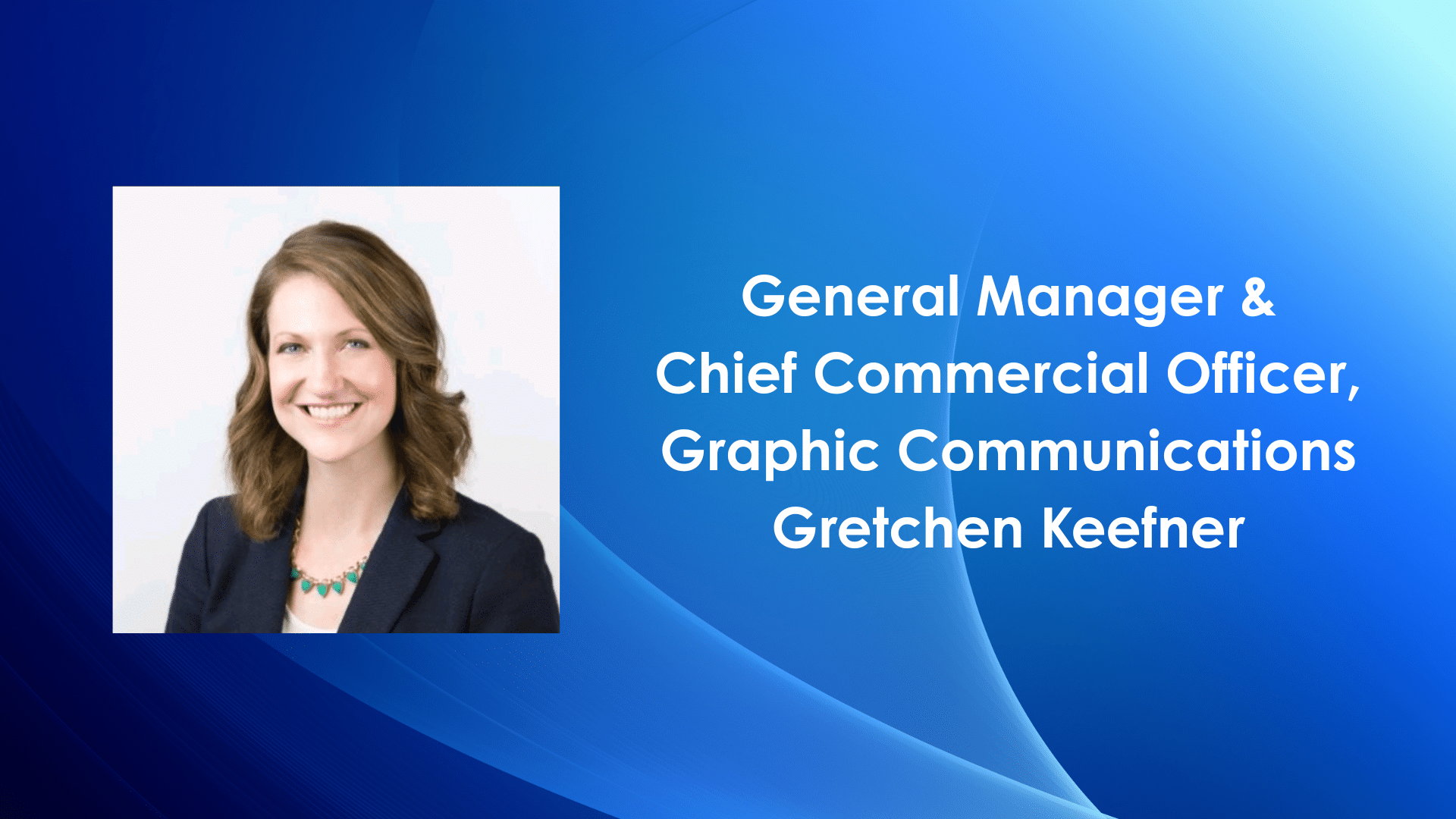

Keefner brings more than 20 years of executive leadership experience in high-growth vertical SaaS businesses and will be responsible for commercial strategy, revenue performance, and operational leadership of the division.
Read the Article

In this newly created role, Maini will lead CAI’s enterprise AI strategy, establish shared engineering capabilities across its product portfolio, and oversee the company’s India innovation center.
Read the Article
LINCOLN, RI, OCTOBER 8, 2025 – CAI Software, a leading provider of manufacturing ERP and production software solutions for more than fifteen vertical markets, and Print ePS, a leading provider of manufacturing ERP and production software for the graphic communications industry, today announced that they have combined in a merger of equals. The merger brings […]
Read the Article
LINCOLN, RHODE ISLAND (6/11/2025) – CAI Software announced today that ShopVue, Parsable, and Linsight have received a 2025 Industrial IoT Product of the Year Award from IoT Evolution World, the leading magazine and Website covering IoT technologies. “At CAI Software, we constantly aim to drive innovation and provide value through our products and solutions. ShopVue, Parsable, and Linsight work to […]
Read the ArticleA smart company’s leadership will always probe their operational departments on “How do we do this?” and “Who does this?” — followed up by the hard question “Why do we do this?”
In late 2018, the Manufacturing Extension Partnership (MEP) Program* commemorated its 30th anniversary by taking a step back to look at the beginnings, the reasons the Program came to be, and how MEP can continue to deliver on its mission to strengthen and empower U.S. manufacturers well into the future. And this fiscal year marks the 10th year clients were asked about the manufacturing challenges they are facing as part of the NIST MEP Client Survey.
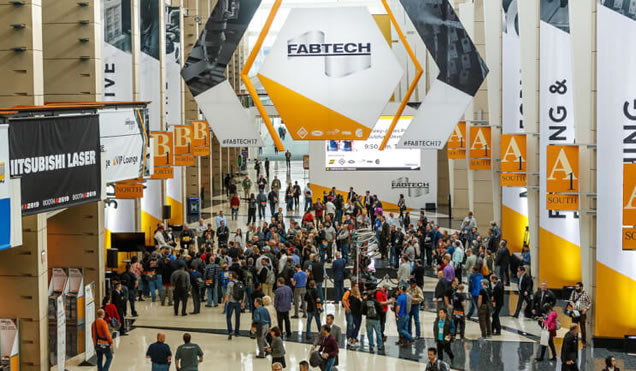
My first trip to Chicago and to North America's largest convention center (McCormick Place) and to FABTECH, or any industrial trade show for that matter, did not disappoint. I helped manage my company's expo booth. Billed as North America’s largest metal forming, fabricating, welding and finishing event, I got to hear about and discuss real business problems — and their solutions — from the perspective of the manufacturer.

I've worked with several accountants over the years and one thing I've noticed about them is that they generally like things neat and orderly. Unfortunately the real world is often messy and chaotic. Transactions get entered for the wrong accounts, quantities or dates, which leads to reversal transactions, then yet another set of corrected transactions. Even with a flawless transaction record a company of even a moderate size can end up with thousands of general ledger (G/L) entries that make finding the source transaction of any questionable trial balance number like looking for the proverbial needle in a haystack.

In the food industry, not just any business management software will do. Manufacturing challenges of food manufacturers are most apparent in their unique regulatory and operational needs, requiring sophisticated, flexible, cost-effective software solutions.

Dodson and Horrell is Europe’s leading animal feed manufacturer and the official supplier to Great Britain’s Equestrian Team (GBR).

The Internet of Things (IoT) is radically changing the world as we know it — and ERP systems are no exception. In the manufacturing industry, ERP systems already work in sync with the cloud and other technological advances. However, implementation of IoT can truly change the game for many companies. So, what does the future look like for ERP and IoT?
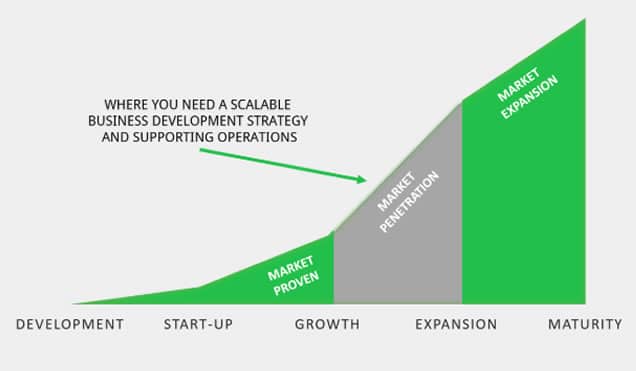
Business development in the manufacturing industry is changing rapidly. It's harder for small to mid-sized manufacturers to compete with larger ones on cost, recognition, and range of capabilities. The constant push to vendor consolidation heightens market pressure. It’s not the family business or the “old-boys” network it used to be. That’s why the services of smaller manufacturers are increasingly targeted to precise verticals. Similar runs and reduced set-up time produces efficiencies and increases quality, thus distancing the manufacturer from low-price quotes. The predictability widens the margin in client-coveted prototyping, decreasing the cost of on-boarding new customers.
Material Requirements Planning (MRP) software manages the material requirements for manufacturing processes. From planning manufacturing activities to purchasing and sales, MRP software aids the process from beginning to end. Common MRP functions include bills of material, compliance management, document management, forecasting, formula management, process manufacturing, product configurator, quality control, quote management, resource management, supplier management and supply chain management.
Connect with a CAI expert to see which AI-assisted solution fits how your operations run.