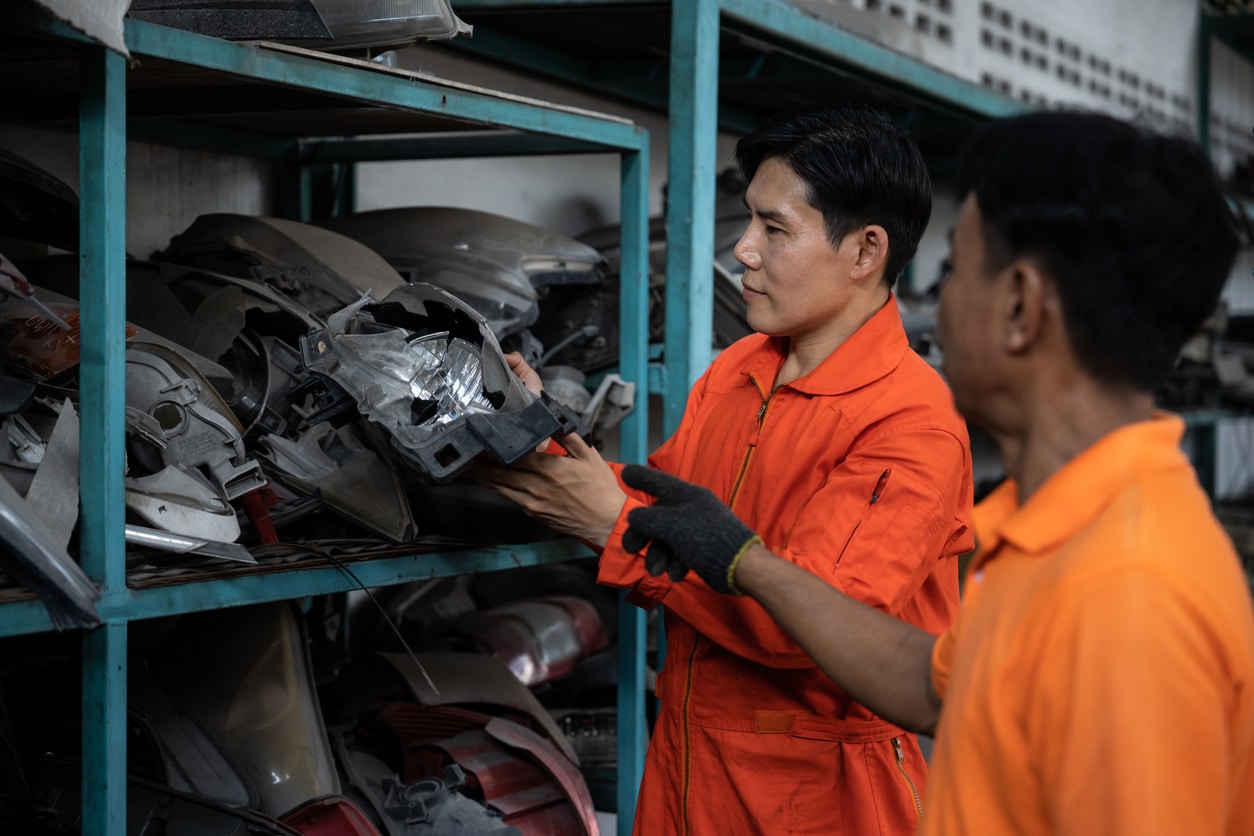

This guide explains why top manufacturing operators burn out, what causes that burnout on the shop floor, and how manufacturers can reduce the pressure that drives their best people to disengage or leave. Written by the manufacturing software experts at CAI Software, this article provides practical insight into how connected worker technology helps create more sustainable, efficient, and operator-friendly operations.
Your best operators are often the people everyone relies on. They know the process, solve problems quickly, train new hires, catch quality issues before they spread, and keep production moving when things get messy. But that constant dependence comes at a cost. In this guide, we break down why top operators burn out, the warning signs manufacturers should not ignore, the operational risks burnout creates, and how digital tools like connected worker software help reduce overload, standardize execution, and support a healthier frontline workforce.
What Operator Burnout Looks Like in Manufacturing
Operator burnout in manufacturing is a state of chronic physical, mental, and emotional exhaustion caused by ongoing workplace stress, high demands, and limited support. It does not usually happen overnight. More often, it builds over time when top performers are expected to carry too much responsibility, solve too many problems, and compensate for broken processes without relief.
On the shop floor, burnout often shows up differently than it does in office environments. It may appear as frustration, disengagement, reduced patience, lower energy, more mistakes, or a noticeable drop in motivation from workers who used to be your most dependable employees. In many cases, burned-out operators still show up and do the job, but they are doing so with less bandwidth, less enthusiasm, and less resilience than before.
That is what makes burnout so dangerous. It can remain hidden inside otherwise high-performing operations because leaders see output and assume everything is fine. Meanwhile, the people holding the process together are becoming exhausted, overextended, and increasingly likely to leave.
Why Your Best Operators Burn Out First
It may seem counterintuitive, but your strongest operators are often the most likely to burn out. That is because high performers tend to get rewarded with more responsibility, more interruptions, and more pressure instead of more support.
When a line falls behind, supervisors call the experienced operator. When a new hire has questions, they go to the most knowledgeable person. When a machine acts up, a procedure is unclear, or a quality issue surfaces, the same reliable people are expected to step in and fix it. Over time, those workers stop owning just their job and start carrying everyone else’s too.
They Become the Go-To Person for Everything
Top operators often become the unofficial backup system for the plant. They answer questions, troubleshoot issues, train others, interpret unclear work instructions, and fill the gaps left by inconsistent processes. That level of dependence creates constant interruption and mental overload.
They Carry Tribal Knowledge No One Else Has
In many facilities, your best operators know how work actually gets done. They understand machine quirks, setup shortcuts, common failure points, and the real sequence needed to keep production moving. When that knowledge is not documented, those operators become indispensable, which also makes them vulnerable to burnout.
They Are Expected to Perform & Support Others at the Same Time
Many top operators are still measured on output, quality, and efficiency even while they are helping train new employees, answering supervisor questions, or handling problem-solving tasks. This creates an unfair workload where they are expected to do more than everyone else without a reduction in their own production expectations.
They Work Around Broken Processes Every Day
Burnout is not only caused by hard work. It is also caused by friction. Paper SOPs, outdated instructions, poor communication, inconsistent handoffs, and manual reporting processes create unnecessary stress. The best operators are often the ones compensating for all of it.
Common Causes of Burnout on the Shop Floor
Burnout usually comes from a combination of operational and workforce issues rather than one isolated problem. Manufacturers that want to address operator burnout effectively need to look beyond labor availability alone and examine the daily conditions that create strain.
Inconsistent or Outdated Work Instructions
When instructions are unclear, outdated, or hard to access, operators are forced to rely on memory, experience, or guesswork. This adds stress to every shift and places even more pressure on experienced workers to interpret the process for everyone else.
Constant Firefighting
Frequent disruptions, rushed changeovers, quality issues, equipment problems, and last-minute schedule changes create a reactive environment. In these conditions, operators rarely get a stable rhythm. Instead, they move from one urgent problem to the next, which quickly wears people down.
Labor Shortages & Understaffing
When teams are short-staffed, your best operators are usually the ones asked to absorb the extra work. They may run additional tasks, cover other roles, help undertrained coworkers, or work longer hours just to keep production on track.
Poor Training & Slow Onboarding
When new hires are not trained in a structured, repeatable way, experienced operators end up doing the teaching while also doing their own jobs. This slows them down, adds frustration, and creates a cycle where your best people are constantly responsible for bringing others up to speed.
Lack of Process Standardization
If every operator, shift, or line performs a task differently, top performers are often the ones expected to maintain consistency. They become the human control system in an operation that should be standardized by design.
Too Much Administrative Burden
Manual reporting, paper checklists, handwritten logs, and duplicate data entry may seem minor, but they add friction throughout the day. Over time, these extra tasks drain time and attention from the actual work operators are trying to perform.
Limited Visibility & Communication
When operators do not have access to real-time information, shift updates, process changes, or escalation paths, confusion increases. This often results in repeated questions, missed handoffs, and greater pressure on experienced workers to fill the communication gaps.
5 Signs Your Best Operators Are Burning Out
Burnout does not always look dramatic. In many facilities, it appears as subtle changes in behavior, attitude, or performance that are easy to dismiss until they become larger problems.
1. Increased Frustration or Irritability
Operators who were once patient and steady may become more visibly frustrated by routine issues, questions, or interruptions. This can be a sign that their mental capacity is already maxed out.
2. Reduced Engagement
Burned-out employees often stop offering suggestions, speaking up in meetings, or taking initiative the way they used to. They may still perform the work, but with less investment and less energy.
3. More Errors or Missed Steps
Even highly skilled operators make mistakes when they are mentally fatigued. Burnout can lead to lapses in attention, skipped steps, or reduced consistency, especially in fast-paced or high-pressure environments.
4. Growing Resistance to Training Others
When experienced workers seem less willing to help onboard new employees or answer repeated questions, it may not be a mindset problem. It may be a signal that they are overwhelmed.
5. Higher Absenteeism or Turnover Risk
Burnout often leads to increased call-offs, more requests for time away, or signs that trusted operators are starting to disengage from the organization altogether. In some cases, your first signal is simply that a top performer quits.
The Real Cost of Burned-Out Operators
When your best operators burn out, the damage extends far beyond morale. It affects output, quality, training, retention, and long-term operational stability.
Lower Productivity & Throughput
Burned-out operators may still work hard, but no one performs at their best indefinitely under constant strain. Mental fatigue slows problem-solving, reduces focus, and makes work less efficient over time.
More Variability & Quality Issues
When experienced operators are stretched too thin, they have less capacity to catch deviations, support less experienced teammates, or maintain the level of execution that keeps quality consistent.
Slower Training & Knowledge Transfer
If onboarding depends too heavily on a small group of experts, burnout makes training harder and less effective. That slows workforce development and keeps the operation dependent on the same few people.
Increased Turnover of High-Value Employees
Losing your best operators is costly not only because of replacement and training costs, but because they often take years of process knowledge with them. When one burned-out operator leaves, the burden usually shifts to the next most capable person.
Greater Reliance on Tribal Knowledge
Burnout and tribal knowledge are closely connected. The more your operation depends on a handful of experienced workers to interpret and stabilize execution, the more pressure those people face. That pressure increases burnout, which in turn increases your operational risk.
Why Traditional Fixes Usually Fall Short
Many manufacturers recognize burnout, but respond in ways that treat the symptom rather than the cause.
Telling operators to “speak up if they need help” is not enough if the process itself is broken. Offering occasional incentives will not solve daily friction caused by outdated SOPs, inconsistent training, or nonstop firefighting. Hiring more people can help, but only if new employees can be trained quickly and supported consistently.
The real issue is not that your best operators are not resilient enough. It is that too many plants still depend on people to compensate for process gaps that should be solved systemically.
If you want to reduce burnout, you have to reduce the burden placed on your most capable workers.
How to Fix Operator Burnout: 7 Practical Steps
Reducing burnout requires operational changes that make work more consistent, less reactive, and easier to execute across the workforce.
1. Standardize Critical Workflows
When work is performed differently by operator, shift, or line, experienced employees end up carrying the burden of consistency. Standardizing workflows reduces variation and removes the need for top performers to constantly interpret the process for others.
2. Replace Paper SOPs with Digital Work Instructions
Paper-based instructions are difficult to update, easy to ignore, and often disconnected from the reality of how work is performed. Digital work instructions provide clear, step-by-step guidance at the point of work, helping every operator follow the same process without relying on memory or constant supervision.
3. Capture Tribal Knowledge Before It Walks out the Door
The best operators often hold the most valuable process knowledge. Capturing that expertise in structured, accessible workflows reduces dependence on individuals and helps distribute knowledge more evenly across the workforce.
4. Improve Training & Onboarding
Burnout gets worse when skilled operators are constantly responsible for bringing others up to speed. Standardized digital guidance helps new hires learn faster, reduces inconsistency in training, and lowers the burden on experienced employees.
5. Reduce Manual Admin Work
Operators should not waste time filling out paper forms, duplicating entries, or chasing documentation. Streamlining data capture and reporting frees up time, reduces frustration, and lets workers focus on execution.
6. Create Better Real-Time Communication
Clear communication reduces confusion, interruptions, and repeated questions. When operators can access updates, alerts, and escalation paths in real time, they are less likely to depend on one person to relay information.
7. Use Real-Time Data to Identify Stress Points
Burnout is often tied to process friction that leadership cannot fully see. Real-time operational data helps identify bottlenecks, recurring disruptions, training gaps, and failure points that are adding unnecessary strain to the workforce.
How Connected Worker Software Helps Reduce Operator Burnout in Manufacturing
Connected worker software helps address many of the root causes of burnout by making frontline work more structured, visible, and sustainable. Rather than asking your best operators to carry the process through experience alone, connected worker platforms embed guidance, knowledge, and feedback directly into daily execution.
With a solution like Parsable by CAI Software, manufacturers can digitize work instructions, standardize processes, and deliver real-time guidance directly to operators on mobile devices or tablets. This reduces reliance on memory, minimizes ambiguity, and helps every worker follow the current best-known method.
Connected worker software also helps reduce interruptions. When operators can access clear instructions, troubleshooting steps, and task-specific guidance on demand, they do not need to stop and ask the same experienced employee for help as often. That alone can remove a significant amount of pressure from top performers.
Because the platform captures data at the point of work, leaders gain better visibility into how processes are being executed and where friction exists. This helps organizations identify common stress points, improve workflows, and make more informed decisions about staffing, training, and process improvements.
Just as importantly, connected worker platforms support continuous improvement by making it easier to capture frontline feedback. Operators can document issues, suggest better methods, and contribute their expertise in real time. That turns experience into a scalable operational asset instead of a personal burden carried by a few.
Burnout Reduction Benefits of Connected Worker Technology
Adopting connected worker technology does more than digitize instructions. It creates a more balanced operating environment that supports both performance and workforce sustainability.
Less Reliance on Hero Operators
When knowledge is embedded into workflows, the plant does not need to depend so heavily on the same few experts to answer questions and stabilize execution.
Faster, More Consistent Training
New hires can learn through guided digital workflows, reducing the load on experienced operators and helping new employees become productive more quickly.
Fewer Repeated Questions & Interruptions
Accessible, task-based guidance means operators can find the information they need in the flow of work rather than constantly pulling others away for help.
Reduced Process Variation
Standardized digital workflows improve consistency across operators, shifts, and plants. This lowers the burden on top performers to correct or compensate for variation.
Better Visibility into Operational Stress
Real-time data helps identify where processes are breaking down, where teams are overextended, and where targeted improvements can reduce frontline strain.
Stronger Retention of Top Talent
Operators are more likely to stay engaged in an environment where expectations are clear, support is available, and the day-to-day process is less chaotic and less dependent on constant firefighting.
How to Get Started Without Overcomplicating It
Manufacturers do not need to overhaul everything at once to reduce burnout. In many cases, the best place to start is with the workflows that create the most friction for your top operators.
Look for high-impact areas such as changeovers, startup and shutdown procedures, quality checks, cleaning tasks, maintenance support, or recurring troubleshooting processes. These are often the activities where experienced employees are interrupted most often and where process inconsistency creates the most stress.
From there, document the current best-known method, digitize it into accessible workflows, and use operator feedback to improve it over time. Starting with a focused use case allows manufacturers to reduce pressure quickly, prove value, and build momentum for wider transformation.
Why Your Best Operators Are Burned Out: FAQ
Why do top operators burn out faster than other employees?
Top operators often carry extra responsibility beyond their formal role. They solve problems, answer questions, train others, and compensate for inconsistent processes, which creates sustained overload over time.
What are the biggest causes of operator burnout in manufacturing?
Common causes include understaffing, outdated work instructions, constant firefighting, poor training, process inconsistency, and heavy reliance on tribal knowledge.
How does burnout affect manufacturing performance?
Burnout can reduce productivity, increase errors, weaken training, raise turnover risk, and create greater operational instability when experienced workers disengage or leave.
What are the warning signs of operator burnout?
Warning signs include frustration, disengagement, lower energy, more mistakes, reduced willingness to train others, absenteeism, and signs that top performers are mentally checking out.
How can manufacturers reduce burnout on the shop floor?
Manufacturers can reduce burnout by standardizing workflows, improving training, replacing paper SOPs with digital work instructions, reducing manual admin work, and making process knowledge easier to access and share.
How does connected worker software help with burnout?
Connected worker software reduces burnout by giving operators real-time access to guidance, reducing interruptions, standardizing execution, improving onboarding, and capturing frontline knowledge in a scalable digital format.
Is burnout only a people issue, or is it also a process issue?
Burnout is often both, but in manufacturing, it is frequently driven by process problems. Broken workflows, unclear instructions, and operational friction place ongoing strain on employees, especially your top performers.
Reduce Burnout by Supporting the People Who Keep Production Running
Your best operators should not have to hold the entire operation together through experience, memory, and nonstop problem-solving. When too much depends on a few individuals, burnout becomes almost inevitable—and the cost shows up in turnover, inconsistency, slower training, and lost productivity.
Parsable by CAI Software helps manufacturers reduce that burden by digitizing work instructions, capturing tribal knowledge, and guiding frontline execution in real time. By making work easier to follow, easier to standardize, and easier to improve, Parsable helps create a more resilient operation where your best people are supported instead of stretched too thin.
Contact CAI Software today to learn how Parsable can help you reduce operator burnout, standardize frontline execution, and build a more sustainable manufacturing workforce.