451 Research: Moving to cloud — Are there technology speed bumps?

Cloud computing is causing a rethink and gradual change with regard to how IT is consumed. Enterprises are getting started with cloud and as-a-service deployments wherever possible instead of starting new datacenter builds or developing infrastructure services that offer no differentiated value. Enterprises are increasing their use of third-party vendors to host business services, using private and public tenant options to complement or replace on-premises systems rather than source hardware and software themselves.
What is the difference? MPS and MRP
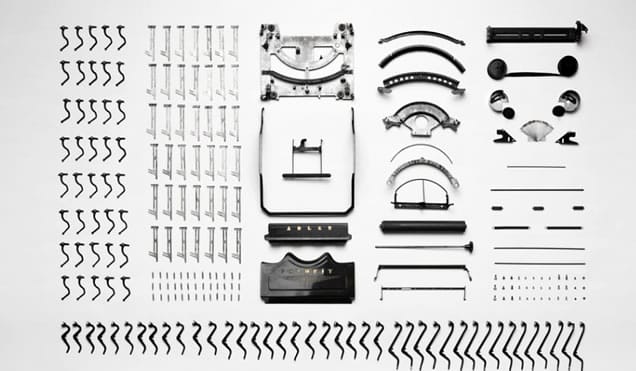
In this article, we explore the differences — and similarities — between manufacturing planning systems MPS (Master Production Scheduling) and MRP (Material Requirements Planning), and the business cases that warrant the use of each.
What is Master Production Scheduling (MPS)?

In a previous article, we answered the question “What is MRP (Material Requirements Planning)?” To summarize, MRP is a software algorithm that results in an inventory plan for the purchase, manufacture and transfer of items such that inventory levels are minimized and service levels are maximized. To produce this plan, MRP takes into account many variables at all levels of the Bill of Materials, including how much inventory is on hand, where it is located, when more will be received, how long it takes to replenish and time phased demand.
What is Landed Cost and How Do You Calculate It?

For companies involved in importing, the cost of freight and duty on items purchased overseas can be quite significant. In developing a fully realized product cost to maintain profit margins, your accounting department must capture every cost of doing business associated with each product.
What are the Hidden Benefits of Implementing ERP? – 2019

A smart company’s leadership will always probe their operational departments on “How do we do this?” and “Who does this?” — followed up by the hard question “Why do we do this?”
The Holy Grail of Accounting Systems: Pristine General Ledger

I’ve worked with several accountants over the years and one thing I’ve noticed about them is that they generally like things neat and orderly. Unfortunately the real world is often messy and chaotic. Transactions get entered for the wrong accounts, quantities or dates, which leads to reversal transactions, then yet another set of corrected transactions. Even with a flawless transaction record a company of even a moderate size can end up with thousands of general ledger (G/L) entries that make finding the source transaction of any questionable trial balance number like looking for the proverbial needle in a haystack.
The feeding and care of Olympic equestrian medalists

Dodson and Horrell is Europe’s leading animal feed manufacturer and the official supplier to Great Britain’s Equestrian Team (GBR).
Technology Advice: The Future of ERP and IoT

The Internet of Things (IoT) is radically changing the world as we know it — and ERP systems are no exception. In the manufacturing industry, ERP systems already work in sync with the cloud and other technological advances. However, implementation of IoT can truly change the game for many companies. So, what does the future look like for ERP and IoT?
Target Marketing in the Manufacturing Industry
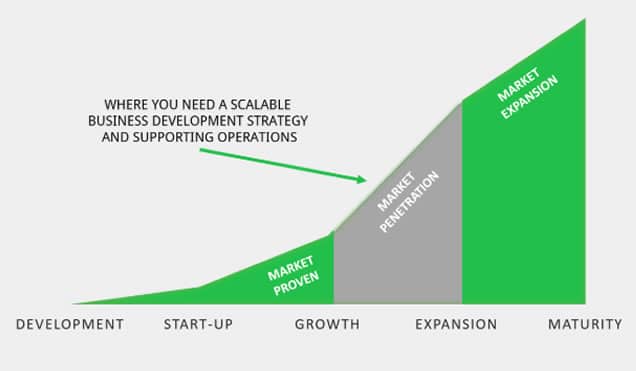
Business development in the manufacturing industry is changing rapidly. It’s harder for small to mid-sized manufacturers to compete with larger ones on cost, recognition, and range of capabilities. The constant push to vendor consolidation heightens market pressure. It’s not the family business or the “old-boys” network it used to be. That’s why the services of […]
Recommendations and reviews — Top-rated MRP
Material Requirements Planning (MRP) software manages the material requirements for manufacturing processes. From planning manufacturing activities to purchasing and sales, MRP software aids the process from beginning to end. Common MRP functions include bills of material, compliance management, document management, forecasting, formula management, process manufacturing, product configurator, quality control, quote management, resource management, supplier management and supply chain management.